

Which Bluetooth LE Audio Headphones Are Compatible Today?
Bluetooth LE Audio is one of the biggest upgrades to wireless audio in years. Built on Bluetooth Low Energy technology and the new LC3 codec, LE Audio promises lower latency, better battery efficiency, improved sound quality, multi-stream audio, and the new Auracast™ broadcast feature.
However, despite growing marketing around LE Audio and Auracast, the reality today is that the ecosystem is still very early and compatibility can be confusing. Many devices advertise Bluetooth 5.2, 5.3, or even 5.4, but that does not automatically mean they fully support LE Audio or Auracast broadcast audio.
Important: The LE Audio market is still immature. Compatibility depends on hardware chips, firmware versions, phone software, companion apps, and sometimes even regional updates. Always verify compatibility before purchasing.
What Is Bluetooth LE Audio?
Bluetooth LE Audio is the next-generation Bluetooth audio standard officially introduced by the Bluetooth SIG in 2022. Unlike Classic Bluetooth audio, LE Audio uses the more efficient LC3 codec and enables entirely new listening experiences.
One of the most exciting features is Auracast™ broadcast audio, which allows one transmitter to broadcast audio to multiple listeners simultaneously without traditional Bluetooth pairing. This creates new possibilities for TV listening, public venues, airports, gyms, churches, classrooms, conferences, and assistive listening applications.
| Feature | Classic Bluetooth | Bluetooth LE Audio |
|---|---|---|
| Codec | SBC / AAC / aptX | LC3 |
| Latency | Typically 100-200ms | Potentially much lower |
| Broadcast Audio | No | Yes (Auracast) |
| Multi-Stream | Limited | Supported |
| Hearing Aid Support | Limited | Designed for it |
Which Phones Support Bluetooth LE Audio?
Support is expanding quickly, especially among flagship Android devices. Some of the most commonly referenced LE Audio compatible phones include:
- Samsung Galaxy S23 Series
- Samsung Galaxy S24 Series
- Samsung Galaxy Z Fold / Flip Series
- Google Pixel 7 / 8 / 9 Series
- OnePlus 11 / 12 / 13
Even with supported phones, LE Audio functionality may require specific software versions or developer settings. Some devices support LE Audio but not Auracast broadcast receiving yet. Others may only support selected LE Audio functions.
Which LE Audio Headphones Are Compatible Today?
Several headphone and earbud manufacturers have started introducing LE Audio compatibility. Some products support LC3 codec only, while others support Auracast broadcast listening as well.
| Model | LE Audio | Notes |
|---|---|---|
| Sony WF-1000XM5 | Yes | LE Audio enabled via firmware and app |
| Sony LinkBuds S | Yes | Supports LE Audio after updates |
| Samsung Galaxy Buds2 Pro | Partial | Mixed real-world Auracast experiences |
| Earfun Air Pro 3 | Limited | Firmware dependent |
| Creative Zen Air Pro | Yes | Works with compatible transmitters |
| OnePlus Buds Pro 2 | Yes | Best experience within OnePlus ecosystem |
Real-world compatibility is still inconsistent. Some headphones require beta firmware, special app toggles, or specific Android versions. In many cases, users may still experience fallback to Classic Bluetooth audio.
Avantree LE Audio & Auracast Products
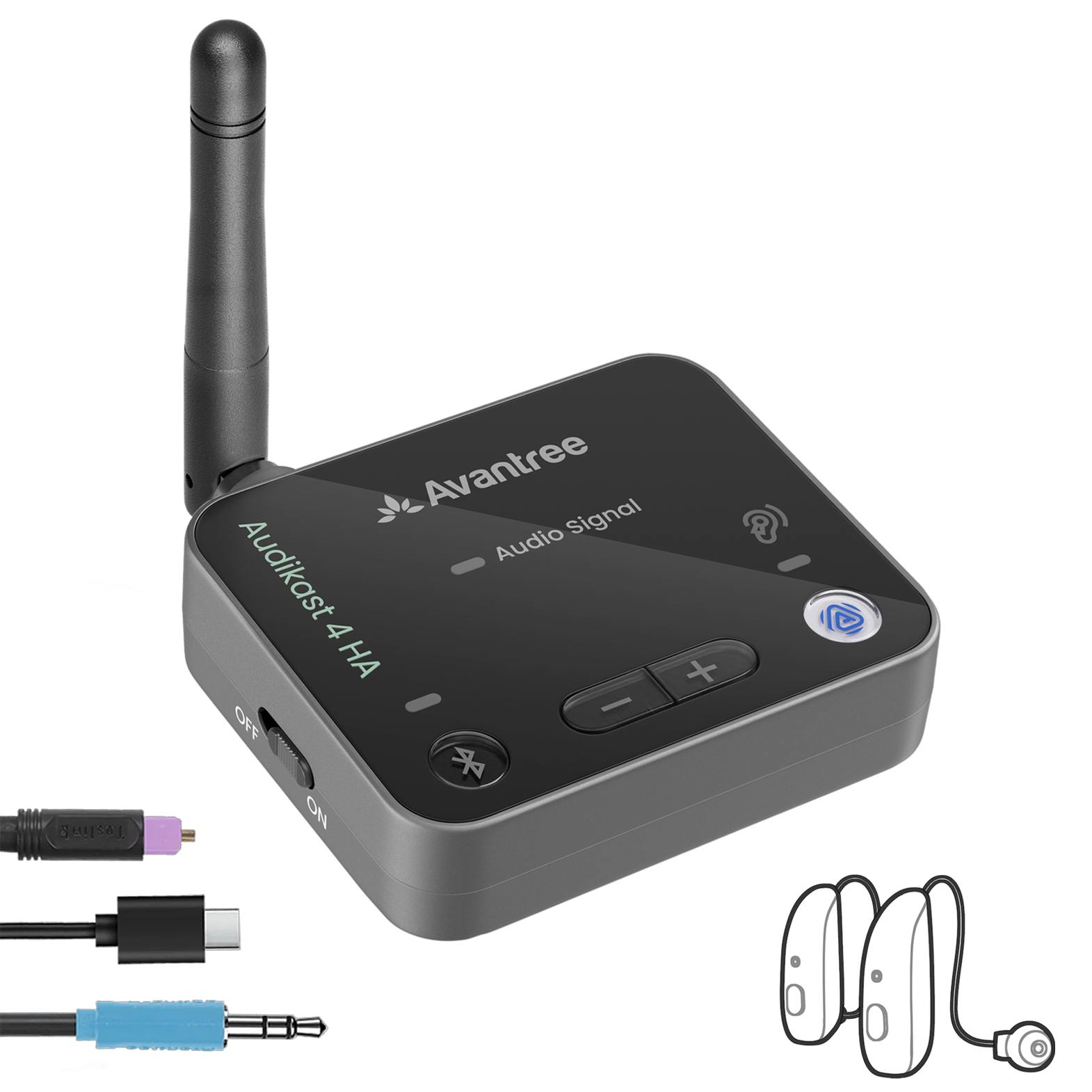
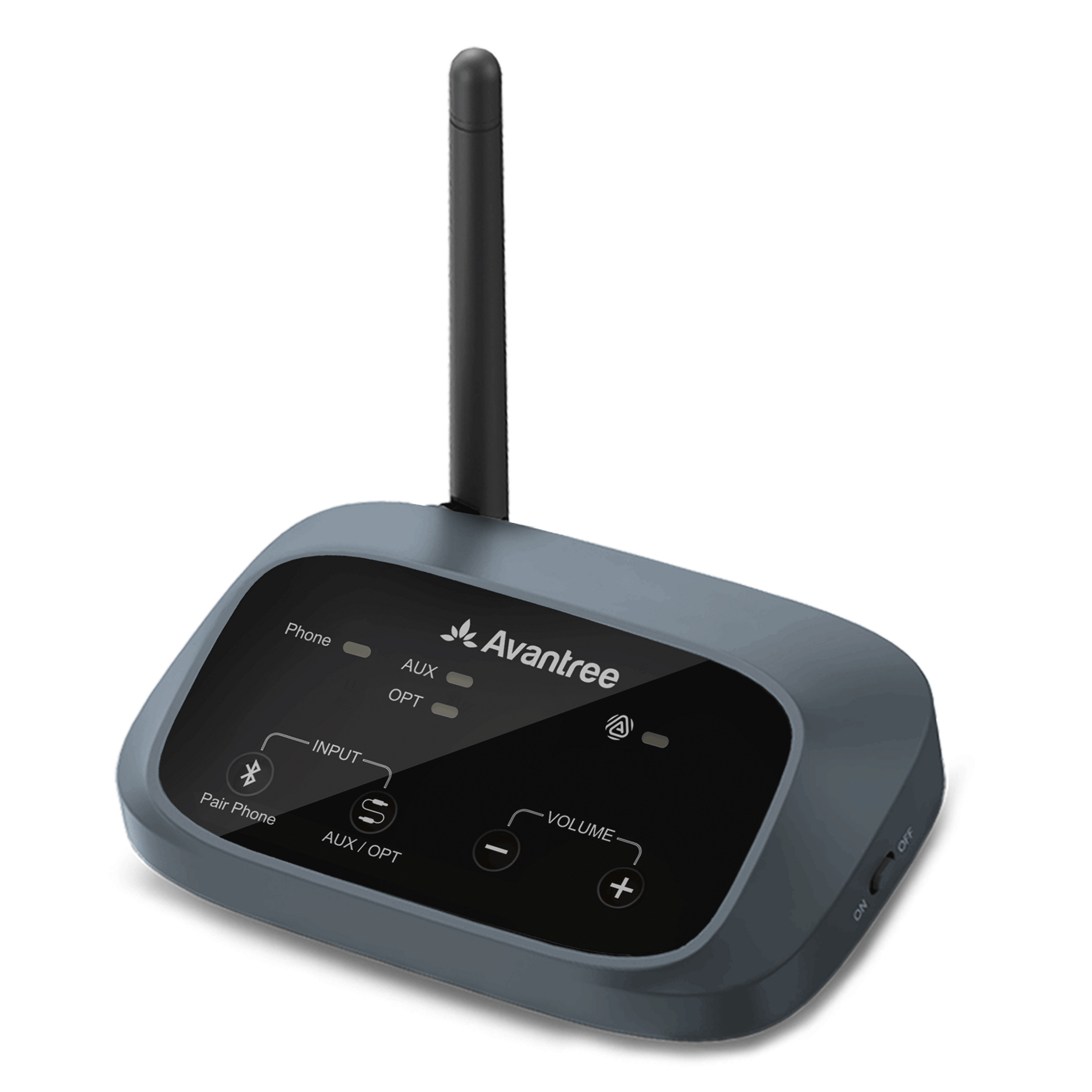
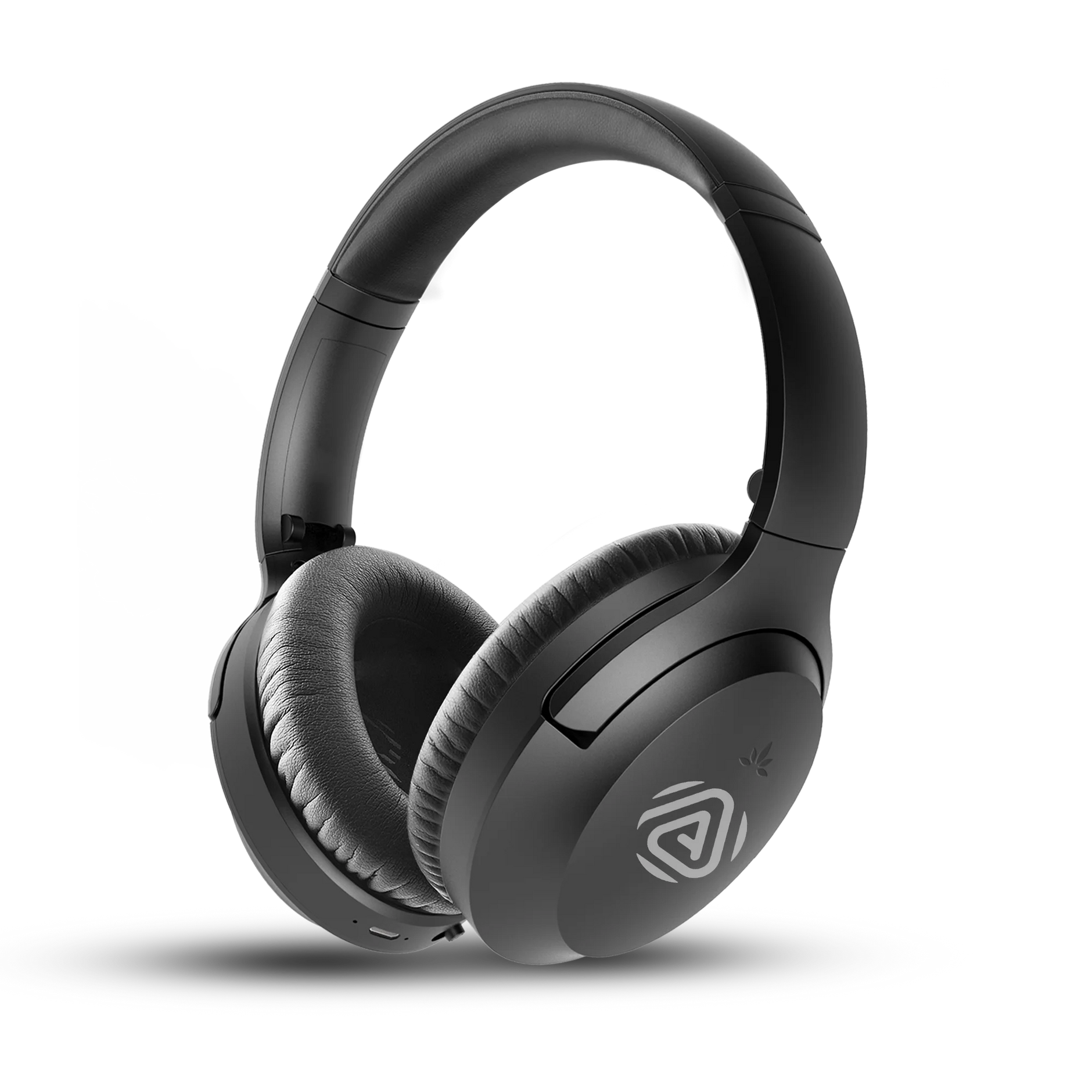
Avantree has been actively developing LE Audio and Auracast products focused on TVs, PCs, public listening, assistive listening, and group audio sharing. Unlike many brands that focus only on earbuds, Avantree also develops transmitters and adapters designed to help older TVs and computers work with newer LE Audio products.

Why Firmware Updates Matter
Firmware updates are extremely important in the LE Audio world. Many products launched with Bluetooth 5.2 hardware before the LE Audio ecosystem was fully mature. Manufacturers later enabled features through firmware updates.
This means two users with the exact same headphones may have different experiences depending on firmware version, mobile OS version, and app updates. Some products may support LE Audio but not Auracast. Others may support Auracast receiving but not transmitting.
Before troubleshooting compatibility issues, users should always:
- Update phone software
- Update headphone firmware
- Update transmitter firmware
- Check manufacturer compatibility pages
- Verify whether the device supports Auracast specifically
Can Older Devices Use LE Audio?
Older devices without Bluetooth 5.2 hardware generally cannot gain full LE Audio functionality through software alone. However, external adapters and transmitters can help bridge the gap.
Products like the Avantree C82 LEA can add LE Audio capability to compatible computers, tablets, and USB-C devices. Similarly, Auracast transmitters can allow older TVs and audio systems to broadcast to compatible LE Audio headphones and hearing aids.
Final Thoughts
Bluetooth LE Audio and Auracast represent a major shift in wireless audio technology. The potential is enormous — especially for TV listening, assistive listening, public audio sharing, gaming, and multi-user listening environments.
But today, the ecosystem is still evolving rapidly. Compatibility remains fragmented, firmware updates are common, and real-world performance varies significantly between brands and devices.
For the best experience, users should carefully verify compatibility between phones, transmitters, headphones, hearing aids, and firmware versions before purchasing. As the market matures through 2026 and beyond, LE Audio is expected to become much more standardized and user-friendly.

Looking for Venue Event Devices?
You are probably looking for
Venucast
— Assistive Listening, Instant Venue Audio & Guided Tour Systems.
 Assistive Listening
 Instant Venue Audio
 Guided Tour
- Die Auswahl einer Auswahl führt zu einer vollständigen Seitenaktualisierung.